Renting a dumpster is an uncomplicated procedure when damaged down into 10 vital actions. First, determine your dumpster needs by reviewing project range, identifying the right dimension and functions, and looking into local guidelines. Next, choose the right size based on job demands and waste type, and pick a reputable dumpster company with transparent rates and service offerings. After that, check neighborhood regulations, timetable a delivery date, and prepare the site for shipment. Load the http://piedmont-triad-dumpsters.almoheet-travel.com/a-beginner-s-overview-to-roll-off-dumpsters dumpster successfully, finish the rental duration, and schedule a pick-up time Ultimately, review and resolve the rental billing to guarantee a smooth verdict. Currently, find out just how to efficiently navigate each step.
Determine Your Dumpster Needs
With a clear understanding of the job's demands, establishing your dumpster needs is the next important step in the rental process.
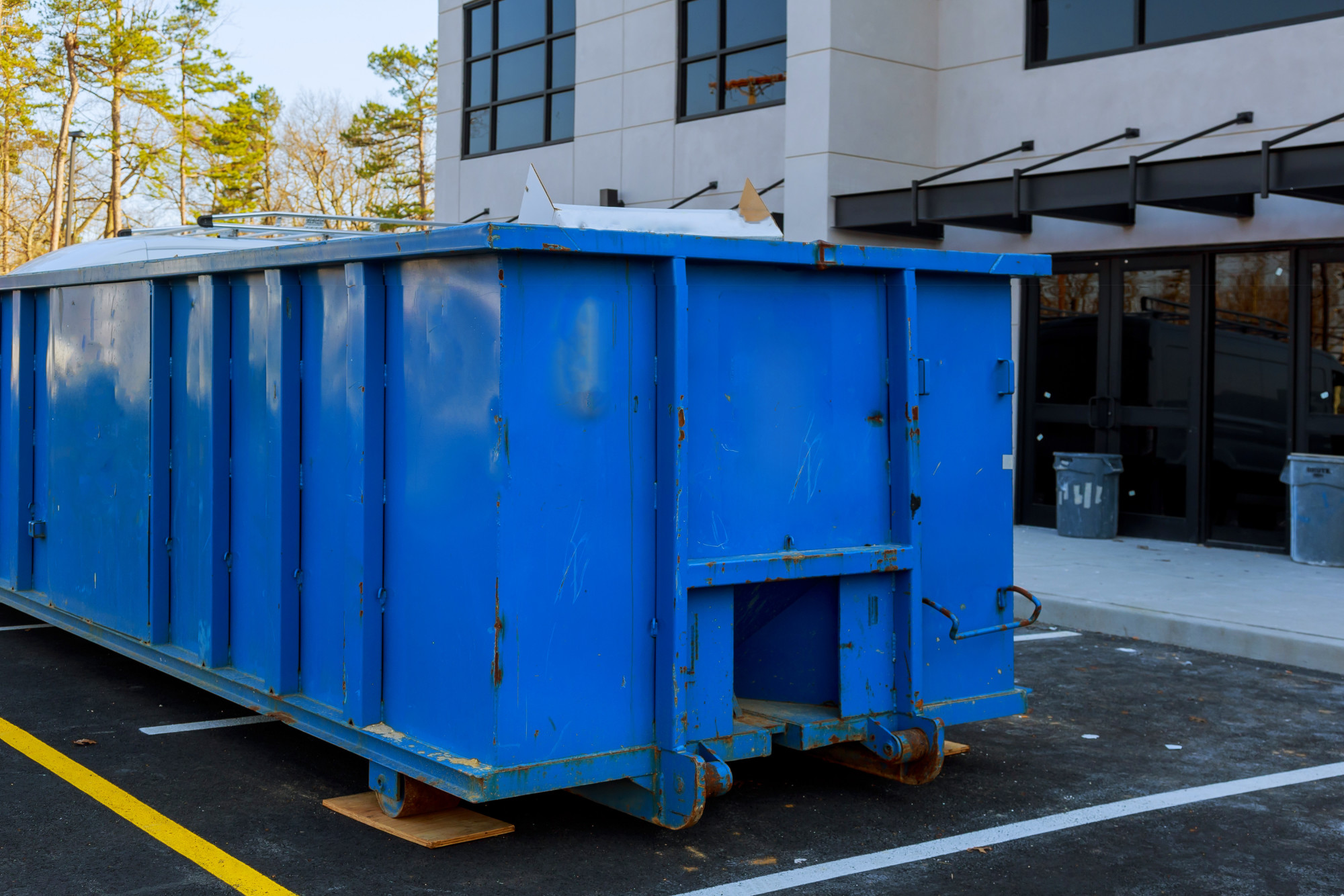
It is important to analyze the range of your task, including the type and quantity of waste you expect to create. This will assist you recognize the best dumpster dimension, kind, and includes to meet your particular needs.
Consider the weight and volume of the products you'll be disposing of, in addition to any type of local laws or restrictions that might apply.
Additionally, think of the duration of the project and just how often you'll need to clear the dumpster.
By taking these variables right into account, you can assure that you rent out a dumpster that is suitable for your job, minimizing the risk of delays, excess, or various other issues.
Choose the Right Dumpster Size
The task's unique demands dictate the ideal dumpster size, and choosing the ideal one is essential to ensuring a seamless waste administration process A dumpster that is also little can lead to frequent emptying and extra rental costs, while one that is too large can lead to thrown away space and unnecessary expenses.
To identify the ideal size, consider the kind and amount of waste to be thrown away, as well as the readily available room on-site for the dumpster.
Common dumpster sizes vary from 10 to 40 cubic lawns, with 20-yard dumpsters being a prominent selection for residential projects For smaller sized projects, such as bathroom remodels or decluttering, a 10-yard dumpster may be sufficient.
Larger jobs, like construction or demolition, might call for a 30- or 40-yard dumpster. It's important to seek advice from a dumpster service expert to determine the optimal size for your details project needs.
Select a Reputable Dumpster Company
When looking into companies, seek these important variables to guarantee you're partnering with a credible provider.
Be cautious of business with bad track records, inadequate insurance policy, or unlicensed operations.
Check Local Dumpster Rental Regulations
Beyond picking a reputable dumpster rental company, it's vital to acquaint on your own with local regulations governing dumpster services in your area.
Understanding these policies will aid you stay clear of potential fines or penalties and assure a smooth rental experience.
Dumpster rental policies can differ substantially from one area to another, and it is necessary to look into the specific policies and restrictions in your area.
Some key aspects to take into consideration include:
- Permits required for dumpster positioning on public or personal property Weight and dimension restrictions for dumpsters Prohibited materials and items that can not be put in dumpsters Noise laws and restricted hours for dumpster distribution and pickup
Schedule a Dumpster Distribution Date
One necessary element of an effective dumpster rental experience is setting up a delivery date that straightens with your project timeline This ensures that the dumpster shows up when you require it, enabling you to remain on track and meet your deadlines.
When scheduling your shipment day, consider the scope of your project, the amount of debris you anticipate to create, and the period of your rental period. Make sure to offer your dumpster rental company with accurate information concerning your task timetable to guarantee a seamless shipment process.
It's likewise crucial to consider variables such as weather condition, web traffic, and access to your site when picking a shipment day. Additionally, bear in mind any local regulations or limitations that may impact your shipment schedule.
Prepare the Dumpster Delivery Site
Site preparation is essential to assure a smooth dumpster distribution experience A well-prepared website guarantees the dumpster can be delivered safely and effectively, conserving you time and trouble. Prior to the dumpster shows up, take a couple of minutes to prepare the distribution website to avoid any potential issues
- Clear the area of any challenges, such as vehicles, trees, or high-voltage line, to assure the dumpster can be provided and positioned correctly. Check the driveway or distribution course for any splits or vulnerable points that could be damaged by the weight of the dumpster. Remove any loose items, such as toys or furnishings, that might be harmed or surprised by the wind. Mark the precise spot where you desire the dumpster to be placed, guaranteeing it's easily accessible and meets local regulations
Load the Dumpster Efficiently
Load the dumpster efficiently by optimizing its ability and lessening the risk of overruning. This can be achieved by sorting products into categories, such as construction materials, house waste, and recyclables.
Start by positioning heavy or large items, like furnishings or devices, at the end of the dumpster. This will help create a secure base and prevent damages to the container.
Next, add smaller items like boxes, bags, and loose particles, making sure to fill any type of voids or empty spaces. Keep often made use of products, like tools or devices, easily obtainable by placing them near the dumpster's opening.
Be mindful of weight circulation and prevent overloading the dumpster, as this can result in safety hazards and additional fees.
Complete the Dumpster Rental Period
The dumpster rental period ends when the agreed-upon timeframe or the container's maximum ability is gotten to. Now, you've successfully packed the dumpster with the unwanted waste and debris, and it's time to prepare for the following step in the process.
To warranty a seamless experience, keep the adhering to points in mind:
- Avoid overfilling the dumpster, as this can result in safety and security problems and extra fees. Ensure all waste is confined within the dumpster and not spilling over the sides. Keep the dumpster easily accessible and free from barriers to help with easy pickup. Double-check that you've removed all personal products and valuables from the dumpster.
Schedule a Dumpster Pick-up Time
When scheduling the pick-up, make certain you have adequate time to finish the loading process and have all particles contained within the dumpster.
It's likewise vital to validate the pickup window with the rental company to stay clear of any misunderstandings.
Some companies may offer flexible scheduling, including early morning or mid-day pick-ups, while others may have more stringent time frames.
Review and Clear up the Rental Invoice
Upon finishing the dumpster pickup routine, interest turns to the economic facet of the rental process.
It is vital to review and clear up the rental invoice to ensure a smooth and convenient experience.
- Review the billing for accuracy, looking for any type of discrepancies in the rental period, dumpster size, and services provided. Verify that all costs are correct, including any additional fees for obese dumpsters or prolonged rental periods. Check if any discount rates or promos were applied correctly. Ascertain that the payment terms and methods are clear and understood.