When it comes to dumpster rentals, making informed decisions about size, cost, and positioning is vital to ensuring a successful job, and obtaining it right can make all the distinction in between remaining on routine and looking at budget. To choose the appropriate dumpster size, take into consideration the weight and density of materials, and precisely price quote waste type and quantity. Understand that rental duration and location influence prices, and permit requirements differ by area. By prioritizing these necessary factors, you can stay clear of pricey shocks and maximize your task's effectiveness. Dive deeper to discover much more skilled ideas for a seamless dumpster rental experience.
Choosing the Right Dumpster Size
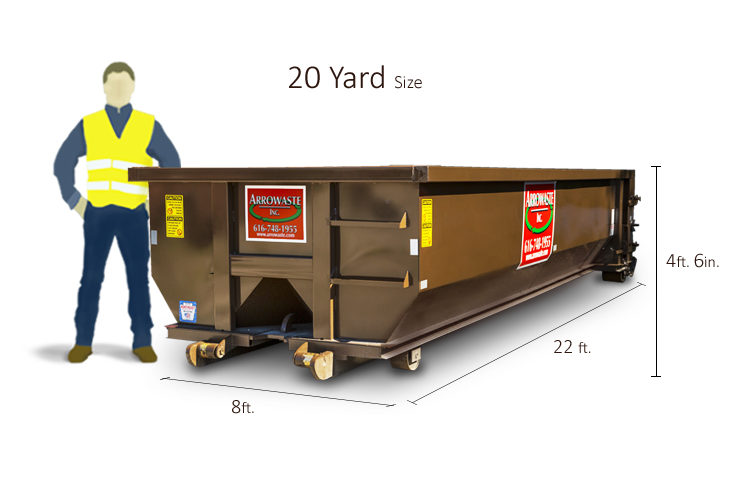
To identify the ideal dumpster size for your task, consider the kind and amount of waste you anticipate to generate.
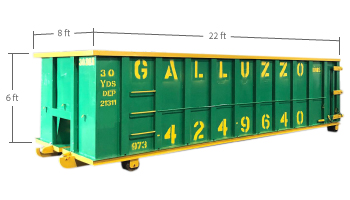
For example, a 10-yard dumpster appropriates for small to medium-sized projects, such as shower room or cooking area remodels, while a 30-yard dumpster is much better suited for larger projects, like building or demolition.
Additionally, think about the weight and thickness of the products you will certainly be taking care of, as this can likewise influence the dimension of the dumpster you need.
Understanding Dumpster Rental Costs
Now that you've selected the right dumpster size for your job, it's time to contemplate the financial facet of your waste administration solution.
Understanding dumpster service costs is vital to remaining within your spending plan and making sure an effective project.
There are several factors that influence the overall expense of dumpster rental, consisting of:
Rental duration: The longer you require the dumpster, the much more you'll pay. Be sure to estimate your project timeline properly to prevent unnecessary extensions.
Dumpster size and type: Larger dumpsters and specialty dumpsters (e.g., building or yard waste) usually set you back greater than smaller, conventional dumpsters.
Location and distribution fees: Rental firms might charge additional for delivery, pickup, and disposal costs, specifically if you lie in a remote area.
Weight and disposal fees: Heavier dumpsters or those having restricted products can cause added fees.
Permitting and Placement Essentials
Project logistics usually depend upon protecting the necessary permits and purposefully placing the dumpster on website. Falling short to do so can lead to costly fines, task delays, and also legal action.
To guarantee a smooth rental experience, it's vital to research and get the required permits and licenses from neighborhood authorities. This may consist of getting a https://blogfreely.net/piedmonttriad-dumpsters/what-you-need-to-know-about-renting-a-dumpster-in-10-steps building license, zoning permit, or road usage authorization, depending upon your place and task type.
When it pertains to placement, think about the dumpster's size, accessibility, and exposure. Area the dumpster in a convenient location that enables easy loading and minimizes obstruction to pedestrian or vehicular traffic.
Ascertain the dumpster is placed on a level, steady surface, away from power lines, trees, and other potential threats. In addition, consider the dumpster's proximity to your workspace, as this can affect labor efficiency and total project productivity.