To warranty a successful dumpster rental experience, adhere to these 5 basic steps: establish your dumpster needs by assessing job dimension, product kind, and waste volume; choose the right dumpster size, ranging from 10 to 40 cubic yards, based upon your project's range; comprehend rental period options, aligning duration with your project's timeline; browse local regulations, investigating permits, limitations, and prohibited products; and prepare for placement logistics, determining accessible areas and assuring clearance. By following these actions, you'll be well on your way to a trouble-free rental experience that satisfies your project's unique requirements, and find how each step can be customized to fit your certain situation.
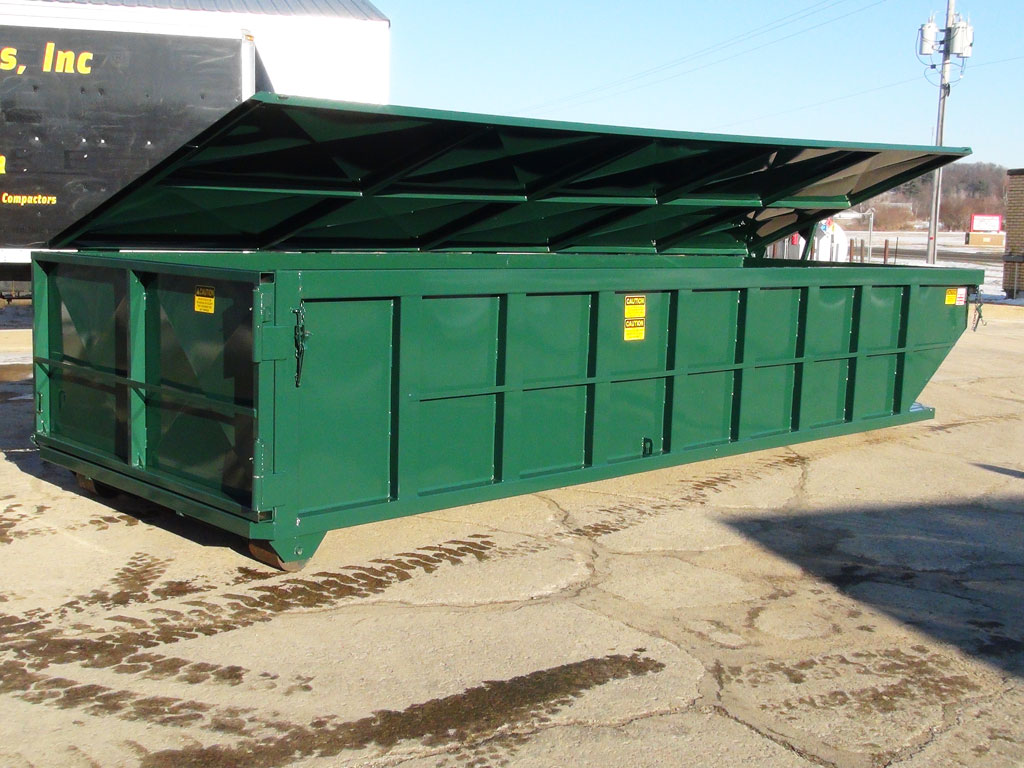
Determine Your Dumpster Needs
Most construction tasks, home remodellings, and large clean-ups need a significant quantity of waste removal This can be frustrating, particularly when thinking about the logistics of disposing of large amounts of debris.
To assurance a smooth and reliable task, it's necessary to establish your dumpster needs in advance. Start by estimating the amount of waste you'll generate throughout the job. Consider the dimension of the location being restored, the type of materials being utilized, and the variety of workers entailed. This will provide you an approximation of the quantity of waste you'll need to get rid of of.
Next, consider the sort of waste you'll be generating. Will it be heavy materials like concrete or asphalt, or lighter products like drywall and roof tiles? Knowing the sort of waste will certainly assist you choose the right dumpster for the job
Choose the Right Dumpster Size
With a clear understanding of the waste volume and type, picking the ideal dumpster size comes to be a necessary step in making sure a smooth project workflow This choice directly impacts the performance and cost-effectiveness of the project.
A dumpster that is also small can result in constant draining, causing boosted expenses and project delays On the other hand, a dumpster that is too big can be an unnecessary expenditure and might not fit in the marked space.
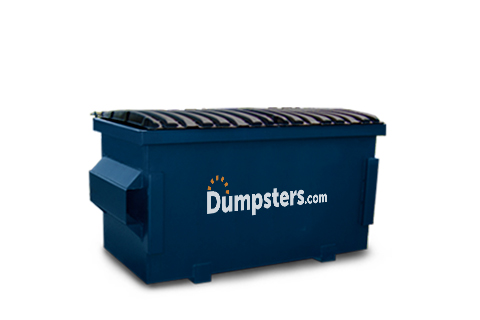
To pick the best dumpster dimension, take into consideration the extent of the project, the type of waste, and the available space. Dumpster sizes typically range from 10 to 40 cubic yards.
A 10-yard dumpster appropriates for tiny jobs, such as bathroom improvements, while a 40-yard dumpster is much better suited for massive construction projects
Understand Rental Duration Options
Selecting the ideal dumpster size is just half the battle; the rental period also plays a significant function in guaranteeing a successful project Comprehending the rental duration options is vital to avoiding unnecessary delays, additional costs, and anxiety. Commonly, rental durations range from a couple of days to numerous weeks or perhaps months, depending upon the job's range and duration.
When picking a rental duration, think about the job's timeline, consisting of the anticipated begin and conclusion days, as well as any potential setbacks or delays.
It's essential to have a clear understanding of the rental period to make sure the dumpster is readily available when needed and to prevent sustaining additional fees for extended services. Some dumpster rental solutions use versatile leasing durations, permitting you to readjust the period as needed.
Be certain to inquire about these choices when picking a rental solution. By choosing the best rental period, you can assure a smooth and effective task, while likewise remaining within budget.
Navigate Local Rules Easily
One vital element of dumpster rental frequently neglected by project supervisors is compliance with local regulations
Failure to abide by these guidelines can lead to fines, penalties, and also task hold-ups. To prevent these concerns, it's crucial to research study and understand the particular laws governing dumpster services in your area.
Start by calling your city government or public jobs department to inquire about any type of necessary permits, licenses, or restrictions
Be certain to inquire about weight restrictions, prohibited materials, and any kind of special demands for hazardous waste disposal.
Additionally, figure out https://jsbin.com/qewicizahi if there are any kind of certain regulations regarding dumpster placement, such as distance from pathways or home lines.
Plan for Positioning Logistics
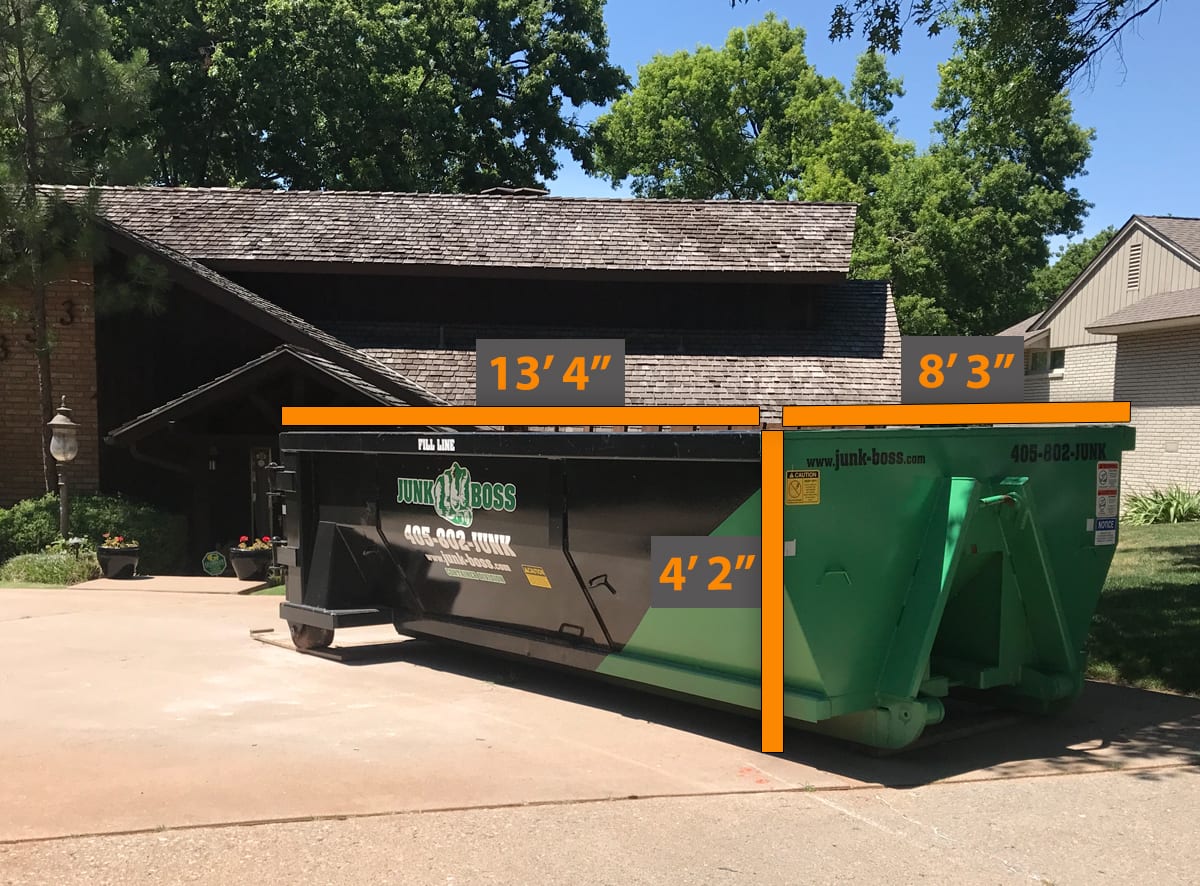
When preparation your dumpster rental, you'll need to carefully take into consideration the logistical details of placement to guarantee a smooth and reliable task process. This includes identifying one of the most accessible location for the dumpster, taking into consideration factors such as driveway and pathway clearance, above obstructions, and closeness to the task site.
Additionally, you'll intend to make sure that the dumpster is placed on a level surface to prevent it from changing or toppling over during use.
It's also vital to plan for adequate space around the dumpster to promote easy loading and unloading of products. Think about the size of the dumpster and the kind of materials you'll be taking care of to figure out the ideal positioning location.
Moreover, be mindful of any local regulations or home owner organization guidelines that might influence dumpster placement. By making the effort to plan for positioning logistics, you can prevent possible issues and assure an effective dumpster rental experience.