To accomplish dumpster rental success, follow these 10 basic steps: determine task waste requires, choose the appropriate dumpster size, set a clear rental period, check local regulations, prepare the site for shipment, manage hefty debris appropriately, keep the dumpster tidy, timetable pick-up on schedule, review rental terms very carefully, and guarantee compliance with regional policies. By following these steps, you'll avoid pricey errors, ensure a seamless project timeline, and preserve a clean and risk-free worksite. By comprehending these essential actions, you'll be well on your way to an effective dumpster rental experience that establishes your task up for success.
Determine Task Waste Needs
Accurately assessing waste generation is important to an effective dumpster rental experience Comprehending the quantity and type of waste your job will generate aids you plan for reliable waste management
Start by recognizing the project scope, including the materials entailed, and approximate the quantity of waste that will certainly be generated. Take into consideration variables such as demolition, building, or remodelling activities, as well as the kind of products being utilized or removed.
Next, examine the task timeline to identify the duration of waste generation. This will help you prepare for the necessary dumpster rental duration and stay clear of unneeded expansions or very early pickup fees.
Additionally, consider any type of local regulations or restrictions on waste disposal to assure conformity. By properly assessing your task's waste needs, you can guarantee a smooth dumpster rental experience, minimize expenses, and maintain a clean and organized worksite
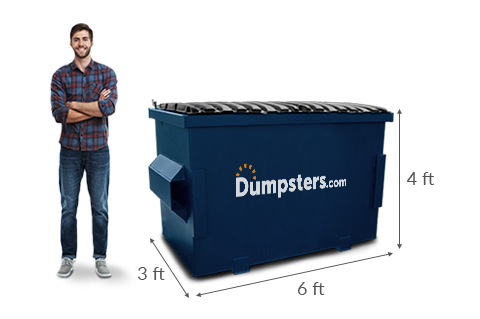
Choose Right Dumpster Size
Selecting the ideal dumpster dimension is important to an effective waste administration strategy. A dumpster that is too little can result in overflow, causing added costs and aggravation. On the other hand, a dumpster that is also large can be a waste of resources and space.
To choose the ideal dumpster size, take into consideration the list below factors:
Volume of waste: Price quote the quantity of waste you anticipate to create during your job. This will aid you identify the dumpster size needed to suit your waste needs.
Type of waste: Different types of waste, such as building particles or home trash, have various quantity and weight demands. See to it you choose a dumpster size that can manage the particular type of waste you will certainly be disposing of.
Space constraints: Consider the room available for the dumpster on your project website. Make sure the dumpster size you choose fits easily in the marked area, enabling easy accessibility and maneuverability.
Set Clear Rental Period
A distinct rental period is the keystone of a hassle-free dumpster rental experience, ensuring that your project timeline and waste administration needs are sympathetically aligned.
By establishing a clear rental https://medium.com/@flaghyysqa/top-10-dumpster-rental-idea-cf6a7144372a?source=your_stories_page------------------------------------- period, you can stay clear of unnecessary delays, extra fees, and hassle. When setting your rental duration, consider the range of your project, the quantity of waste you expect to generate, and the logistics of your clean-up schedule.
Be realistic regarding how much time you'll require the dumpster, and consider some additional time for unexpected setbacks A normal rental period arrays from a few days to several weeks, depending on the type of project and the dumpster size.
Be sure to review your rental period with your dumpster rental carrier to validate you're both on the exact same web page. By doing so, you'll prevent misunderstandings and make sure a seamless waste management experience that fulfills your needs and stays within your budget.
Check Local Regulations First
Your job's waste monitoring method hinges on compliance with regional policies, which can differ considerably depending upon your place and the sort of job you're undertaking.
Failure to abide can cause penalties, charges, and even job hold-ups. To prevent these concerns, it's important to research and understand the regional guidelines governing dumpster service and waste disposal in your area.
Here are 3 essential locations to focus on:
Permit requirements: Determine if you require any type of special authorizations to put a dumpster on your property or on the road. Some towns need licenses for dumpster positioning, while others may have specific laws for sure sorts of projects.
Waste disposal restrictions: Find out what sorts of waste are restricted from being dealt with in a dumpster, such as hazardous products or electronics. Verify you understand what can and can not be put in the dumpster.
Dumpster placement and size restrictions: Check if there are any kind of constraints on the dimension or positioning of dumpsters in your area, consisting of any obstacles from property lines or streets.
Prepare Site For Delivery
Site preparation is important for a seamless dumpster rental experience, guaranteeing a hassle-free distribution and efficient waste monitoring process.
A well-prepared site allows the dumpster to be positioned correctly, decreasing the threat of damages to building or surrounding structures
Begin by clearing the assigned location of any type of obstacles, such as automobiles, furnishings, or particles. Ascertain the surface area is degree and company, as irregular or soft ground can trigger the dumpster to move or become unstable.
If the dumpster will certainly be put on a driveway or street, obtain any necessary permits or approvals.
Additionally, mark a clear path for the delivery truck to access the site, taking into account any kind of overhead obstructions like power lines or tree branches.
Load Dumpster Safely Always
Proper loading strategies are important to maintaining a successful dumpster rental experience, as they straight impact the effectiveness and safety of the waste management process. A well-loaded dumpster assurances that waste is delivered successfully, lowering the risk of mishaps and ecological hazards.
Additionally, it likewise aids prevent damages to the dumpster and surrounding property.
To tons a dumpster securely, adhere to these standards:
Distribute weight evenly: Ensure that the weight of the waste is uniformly distributed throughout the dumpster to prevent it from coming to be top-heavy or unstable. Load larger items at the bottom: Location heavier products, such as furniture or appliances, at the bottom of the dumpster to create a secure base. Keep the dumpster covered: Cover the dumpster with a tarpaulin or other material to avoid particles from spilling out during transportation.Manage Heavy Particles Properly
Heavy particles, such as construction materials and large items, can present substantial challenges throughout the dumpster rental process These things can be hard to manage as a result of their dimension, weight, and volume, making it crucial to plan ahead and take necessary precautions.
To warranty a smooth and effective dumpster rental experience, it is important to handle heavy debris effectively. Start by separating hefty particles from lighter products to stop damages to the dumpster and bordering building. This partition will additionally assist you to optimize the dumpster's capability, minimizing the requirement for multiple rentals.
When filling heavy debris, distribute the weight evenly and prevent overwhelming the dumpster to stop mishaps and spills. In addition, think about the dumpster's weight capacity and pick a rental solution that supplies dumpsters suitable for dealing with heavy debris.
Keep It Clean Inside Out
Effective administration of heavy particles sets the phase for an effective dumpster rental experience. A clean and well organized dumpster not just guarantees a smooth rental process yet also helps keep a safe and healthy atmosphere for every person involved.
Keeping the dumpster clean inside out is necessary to stay clear of any type of prospective problems during the rental period.
To achieve this, comply with these basic steps:
Regularly tidy the dumpster interior to avoid the build-up of debris and odors. Verify correct segregation of waste to stay clear of contamination and promote efficient disposal. Keep the bordering area clean and clear to stop particles from spreading and to enable very easy accessibility to the dumpster.Schedule Pick-up On Time
Scheduling dumpster pickup in a timely manner is important to a seamless rental experience, as it guarantees that the dumpster is gotten rid of promptly, and the website is recovered to its original state.
This verifies that your home remains tidy and organized, and you can concentrate on other essential tasks. When scheduling pick-up, be sure to supply the rental firm with a specific day and time that works for you.
This will help avoid any type of delays or miscommunications that can lead to extensive rental durations or additional fees. Additionally, ensure to have the dumpster all set for pick-up by guaranteeing it is conveniently obtainable and not blocked by any kind of obstacles.
By doing so, you can rest certain that the dumpster will certainly be removed efficiently, and you can appreciate a hassle-free rental experience.
Review Rental Terms Carefully
Every dumpster rental agreement includes a collection of terms and conditions that outline the obligations of both the tenant and the rental company.
It is essential to carefully review these terms to assure a smooth and worry-free rental experience.
Before signing the agreement, take the time to go through the terms and conditions. This will certainly help you recognize what is anticipated of you and the rental company.
Here are three crucial things to look for:
Rental Period: Know the specific period of the rental duration and the consequences of keeping the dumpster much longer than concurred upon.
Weight and Size Restrictions: Recognize the weight and dimension constraints of the dumpster to avoid added charges or penalties.
Disposal Guidelines: Acquaint yourself with the guidelines for throwing away different kinds of waste to make sure conformity with local policies and avoid fines.