To warranty an effective dumpster rental experience, it's vital to comply with vital standards. Begin by identifying your task's waste management needs, selecting the right dumpster size, and understanding connected expenses and regulations. Know what can be taken care of and review agreements thoroughly to prevent unexpected fees Prepare the drop-off area, fill up the dumpster efficiently, and schedule pick-up and delivery purposefully. By complying with these must-follow ideas, you'll decrease prices, stay clear of potential problems, and ensure a hassle-free project With a clear understanding of these important suggestions, you'll be well-equipped to tackle your job with confidence, and there's still more to uncover to make your experience even smoother.
Determine Your Dumpster Needs
Evaluating your job's waste administration requirements is a crucial initial action in the dumpster rental process. This involves examining the type and quantity of waste you'll create, as well as any kind of particular laws or limitations in your area.
Consider the range of your job, consisting of the products you'll be collaborating with, the variety of workers involved, and the duration of the project. This will certainly assist you establish the frequency of dumpster emptying and the required size of the dumpster.
It's likewise vital to identify any type of special requirements, such as hazardous waste disposal or recycling needs.
Additionally, take into consideration the logistics of dumpster placement, including access, area restrictions, and any kind of essential permits.
Choose the Right Dumpster Size
Now that you've determined your job's waste administration requirements, it's time to choose the right dumpster size to accommodate your needs. Picking the correct size is essential to guarantee efficient waste disposal and prevent additional costs
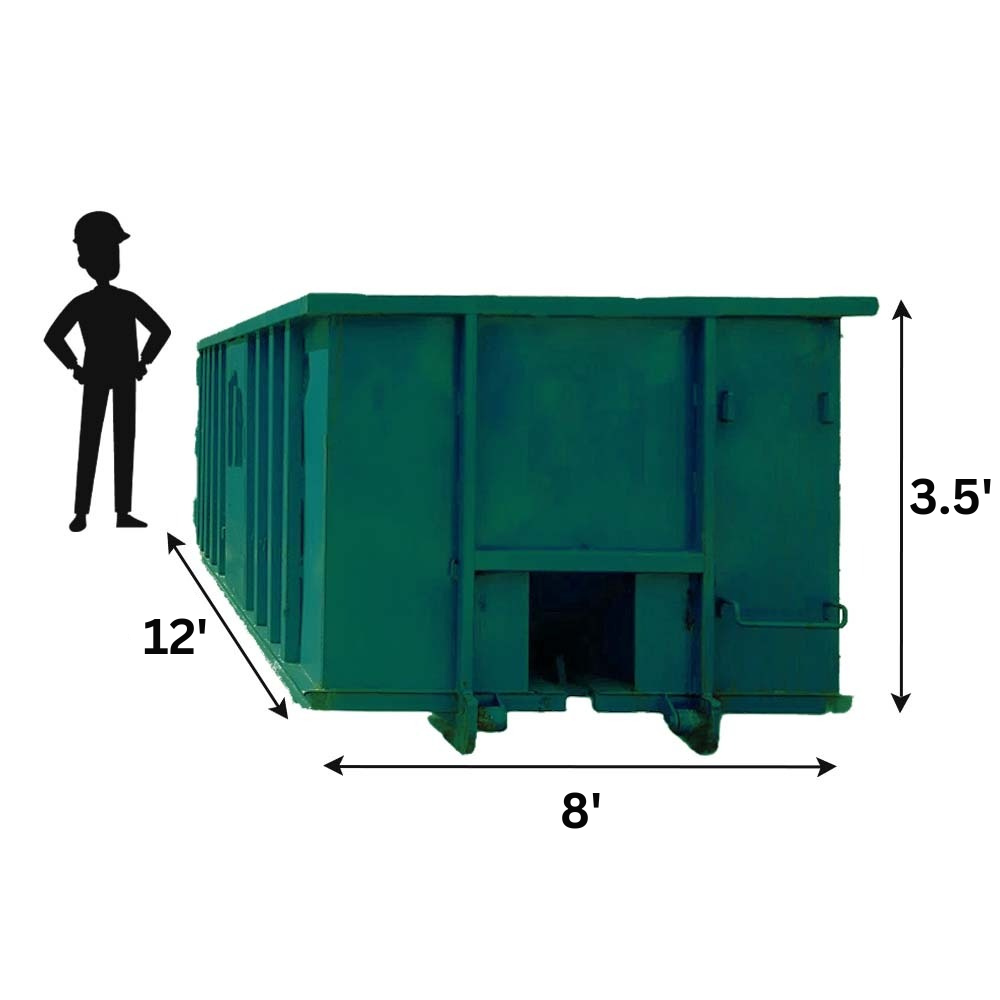
Dumpster sizes usually range from 10 to 40 yards, with each size appropriate for particular jobs. For small-scale projects like washroom remodels or garage cleanouts, a 10-15 lawn dumpster is suitable. Medium-sized projects, such as kitchen improvements or deck removals, require a 20-25 yard dumpster. Large-scale projects, like building and construction or demolition, necessitate a 30-40 yard dumpster.
When choosing a dumpster dimension, take into consideration the quantity and weight of the waste, along with the readily available area for the dumpster. It is necessary to select a size that can hold all the waste without surpassing the weight limit.
Underestimating the needed size can bring about added prices, while overestimating can cause squandered area and resources. By selecting the appropriate dumpster size, you can guarantee a smooth and reliable waste management process.
Plan for Appropriate Space
Most construction or remodelling projects call for a significant quantity of space for the dumpster, particularly when operating in constrained areas like residential communities or business districts.
It's essential to plan ahead and ensure you have ample area for the dumpster to fit easily, enabling easy access and lessening disturbances to your project.
Before renting out a dumpster, measure the area where the dumpster will certainly be positioned, taking into consideration any obstacles, such as high-voltage line, trees, or close-by buildings.
Consider the size of the dumpster and its swing radius, which is the range the dumpster door can open. A general general rule is to contend least 10-15 feet of clearance around the dumpster for simple access.
Additionally, inspect local regulations pertaining to dumpster placement and obtain any kind of necessary permits.
Understand Dumpster Rental Costs
When it involves leasing a dumpster, one important aspect to think about is the cost. Recognizing the prices entailed can help you make an educated decision and prevent unanticipated expenses.
Typically, dumpster rental costs differ depending on variables such as the dimension of the dumpster, rental duration, and type of waste being disposed of.
On standard, dumpster leasing rates vary from $200 to $1,000 or more, depending upon the specifics of your job. Be sure to inquire about any additional fees, such as shipment, pick-up, or disposal charges. Some companies might additionally charge additional for overweight dumpsters or unique requests.
To obtain the very best offer, it's important to compare prices and services from different service providers. Be wary of extremely low prices, as they may indicate inferior solution or concealed fees.
Instead, focus on discovering a reputable company that offers transparent pricing and exceptional customer service. By doing your research and recognizing the expenses entailed, you can assure an effective and stress-free dumpster rental experience
Know What Can Be Disposed
Understanding the costs involved in dumpster rental is only half the battle; it's similarly crucial to know what can be gotten rid of in the dumpster. This knowledge will save you from potential frustrations and extra fees.
Generally, most dumpsters can approve non-hazardous materials such as family trash, building and construction debris, and yard waste. However, some items are purely prohibited, consisting of hazardous waste, electronic devices, batteries, and liquids.
It's crucial to contact your dumpster rental company for their specific standards on what can and can not be thrown away in their dumpsters. Some companies might have special constraints or needs, so it's important to clarify their plans beforehand.
Additionally, bear in mind weight capacities https://canvas.instructure.com/eportfolios/3262033/piedmonttriaddumpsters/Save_Money_on_Your_Following_Dumpster_Rental and volume limits to guarantee you do not go beyond the enabled quantity. By understanding what can be gotten rid of, you can prepare your project efficiently and stay clear of any kind of possible issues or fines.
Be Knowledgeable about Regional Regulations
Local ordinances and regulations can substantially affect your dumpster rental experience Failure to comply with neighborhood rules can lead to fines, charges, or perhaps task hold-ups. It's vital to study and comprehend the laws in your area prior to renting a dumpster.
Some typical guidelines to think about consist of permits, zoning limitations, and weight limits For instance, some cities might need a license to position a dumpster on a street or pathway. Others might have certain policies regarding the kind of products that can be taken care of in a dumpster.
Additionally, weight restrictions might differ depending upon the area and type of dumpster.
It's vital to work with a reputable dumpster rental company that knows with neighborhood laws. They can direct you with the process and guarantee that you're in conformity with all rules and regulations.
Read and Understand Contracts
Carefully taking a look at the fine print of a dumpster rental contract can save you from possible migraines and monetary losses.
It's crucial to recognize the conditions of the contract to avoid shocks down the line. Begin by reviewing the rental period, including the specific days and times for shipment and pickup. Validate you understand the weight capacity and any type of restrictions on the kinds of products that can be disposed of.
Additionally, examine if there are any additional fees for services like same-day delivery or Saturday pickups.
It's likewise vital to evaluate the payment terms, consisting of the total expense, repayment methods, and any kind of potential late charges. Be aware of the cancellation policy in case you need to terminate the agreement early.
Prepare the Drop-Off Location
Once you have actually protected a dumpster rental contract that satisfies your demands, it's time to concentrate on preparing the drop-off location A well-prepared website guarantees a smooth distribution process and minimizes the threat of damages to your property or the dumpster.
Begin by getting rid of the location where the dumpster will certainly be positioned, eliminating any kind of obstacles or debris that can disrupt the distribution procedure. Validate the surface area is level and firm, as this will certainly avoid the dumpster from shifting or sinking throughout use.
Additionally, take into consideration the ease of access of the drop-off area. The dumpster needs to be conveniently available for packing and dumping, with a clear course for the delivery van to go into and exit.
If you're leasing a dumpster for a residential task, bear in mind any local regulations or property owner organization rules that might impact the positioning of the dumpster.
Fill the Dumpster Efficiently
Properly filling up a dumpster is important to maximizing its capacity and reducing the threat of overflow or extra charges. To attain this, begin by positioning the largest and heaviest items at the bottom, such as furnishings, home appliances, and building and construction products. This provides a solid foundation for the rest of the waste.
Next, include smaller, lighter products like boxes, bags, and loose particles, filling in any kind of gaps and edges. Be mindful of the dumpster's weight capacity and avoid overloading, as this can lead to security concerns and additional charges.
Keep the dumpster's wall surfaces and edges clear to help with simple loading and unloading. Finally, break down large items like pallets and pet crates to optimize room and decrease waste.
Schedule Pick-up and Delivery
With the dumpster successfully filled up, interest transforms to scheduling pickup and shipment to protect a seamless rental experience This important action assures the dumpster is eliminated from your residential property on time, and you can get back to your regular routine.
When organizing pick-up, be prepared to offer the exact area of the dumpster and any type of specific instructions for the motorist. It's important to set up pick-up during a time when the dumpster is easily accessible, preventing any possible delays.
When organizing distribution, take into consideration the duration of your project and the quantity of waste you expect to create. This will assist you determine the suitable rental period and dumpster size.
Be certain to ask about any type of additional fees related to shipment, such as gas surcharges or tolls. By organizing pick-up and distribution ahead of time, you can feel confident that your dumpster rental experience will be hassle-free and efficient